What is collagen and how can it make your skin younger
Collagen is a protein in the human body that provides structure to your skin, nails, and hair. As you age, your natural levels of collagen go down and that makes the skin become looser and wrinkles form. To help improve the appearance of mature skin there are topical creams or supplements available that contain collagen.
 Collagen is found everywhere throughout the body but it’s especially important for keeping our bones strong as well as maintaining healthy teeth, cartilage, muscles, blood vessels, and joints. It also helps with cell growth which is why some people use it to treat scars or wounds on their skin more quickly than they would heal naturally. Collagen can be taken orally through supplements or applied topically through creams containing enzymes that build the natural collagen in our skin, which tends to decrease as we age.
How can collagen make your skin younger
Collagen can also help with collagen production because it contains collagen types I, II, III, and VII. These collagen types are all involved in collagen formation. Collagen supports the epithelial cells that form the coverings of internal and external surfaces of the body, protects cartilage, and provides elasticity to our skin so it doesn’t sag as we age making wrinkles more visible, helping blood vessels maintain their strength, which makes them less likely to break or leak under pressure like during exercise or physical activity that may cause bruises or varicose veins to appear underneath your skin. Collagen synthesis provides strength to small capillaries that provide nutrients and oxygen to collagen cells. Additional collagen through the skincare routine will help you achieve younger-looking skin as well as healthier hair follicles that can grow stronger hair with less breakage over time.
Foods that help boost the production of collagen in the body
Foods that help collagen production include:
- High-rich collagen foods (clams, fish, beef, poultry); collagen hydrolysate; collagen protein powder; collagen peptides; collagen supplements.
- Vitamin C (citrus fruits and juices such as lemons and oranges).
- Vitamin A (retinol and carotenoids such as beta carotene found in carrots, apricots, squash, and dark leafy greens) is found in sweet potatoes, broccoli which also contains vitamins K and E.
- Vitamin E (nuts like almonds or peanuts where you’ll find vitamin E as well as magnesium and selenium to boost collagen synthesis).
- Folic acid is found in nuts like peanuts.
Foods that don’t help boost the production of collagen in the body include:
Fatty cuts of meat can hurt collagen production because when animal proteins are cooked at very high temperatures it creates so-called AGEs (Advanced Glycation End Products) which are harmful to healthy skin cell development. This is why cooking meats at low heats for long periods of time instead will create glutathione which helps nourish your cells and increase collagen synthesis. But definitely make sure you are using a product that is safe and free of side effects before using any sort of topical cream or supplement.
Deep-fried foods can also hurt collagen production because they contain high levels of omega-6 fatty acids which produce a sticky collagen degrading enzyme called collagenase. These enzymes break down collagen fibers and make our skin more susceptible to damage from the sun’s UV rays which is why collagen synthesis decreases as we age, making wrinkles more visible and causing our skin to sag as it loses its elasticity.
Why do you still need topical creams that contain collagen stimulation?
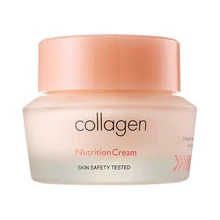 Topical collagen skin creams and moisturizer definitely help collagen production in the body because they contain collagen-building enzymes that increase collagen synthesis. Collagen peptides are just as beneficial to the skin by themselves, and by using creams we can achieve a better concentration of these gracious molecules in the skin. The collagen in topical collagen skin creams acts as a temporary collagen primer that is absorbed into your pores and provides collagen stimulation, helping collagen synthesis increase collagen production which keeps the skin firm and plump rather than loose. However, it’s important to make sure you are using a product that is safe and free of side effects before using any sort of collagen skin cream.
What are collagen peptides and how do they improve collagen production
Collagen peptides in the skin creams are hydrolyzed collagen proteins produced by enzymatic processing, similarly as they are produced in the skin, bones. These collagen peptides contain free-form amino acids that can be readily absorbed into the bloodstream through the intestinal wall so they do not require digestion which means collagen peptides can be quickly absorbed by your skin. But collagen peptides are not only safe and effective collagen supplements, they also improve appearance, help fight aging to keep us looking younger.
Wrinkles are a sign of collagen degradation inside the skin cells
Wrinkles are a sign of collagen degradation inside the skin cells. As collagen levels decrease in the skin, collagen breakdown increases which causes wrinkles to form and skin sagging. Wrinkles are collagen degradation brought on by collagenases, enzymes that break down collagen fibers. Accumulated damage is measured by the amount of collagen breakdown in the skin cells. Collagen production decreases as we age, making wrinkles more visible and causing our skin to sag as it loses its elasticity. There is no way to prevent wrinkles completely, but we can slow down this process significantly through skincare products, diet, and healthy habits.

Start using collagen in your early thirties to slow down the aging process
To start collagen supplements in your early thirties would be a great idea because collagen synthesis decreases by about 1% per year when you are in your twenties so at the time collagen production is still fairly high. But collagen supplementation will help keep collagen degradation pace slow, making collagen synthesis run smoothly until collagen production starts to slow down around the age of thirty-five to forty. You can start even earlier, as a prevention, so collagen supplementation in your twenties will remain optimal, and help collagen degradation levels remain relatively low. So your skin will be well-prepared when collagen production starts to drop off in your early thirties.
A healthy lifestyle and proper nutrition is still the most important
A collagen skin cream only provides collagen stimulation and collagen production which can help collagen synthesis run smoothly. But collagen supplements are not a solution to make your collagen levels increase if you don't have the proper nutrition and all required micro-elements in your body. Also, the real strength to fight again and remain beautiful is to adopt a healthy lifestyle. Everything still depends on your daily habits, what you eat, how you handle the stress, and how much sleep you get. So collagen supplementation is just one part of the collagen skin cream treatment, but we always advise thinking about our body as a whole and providing the best for our overall health.

